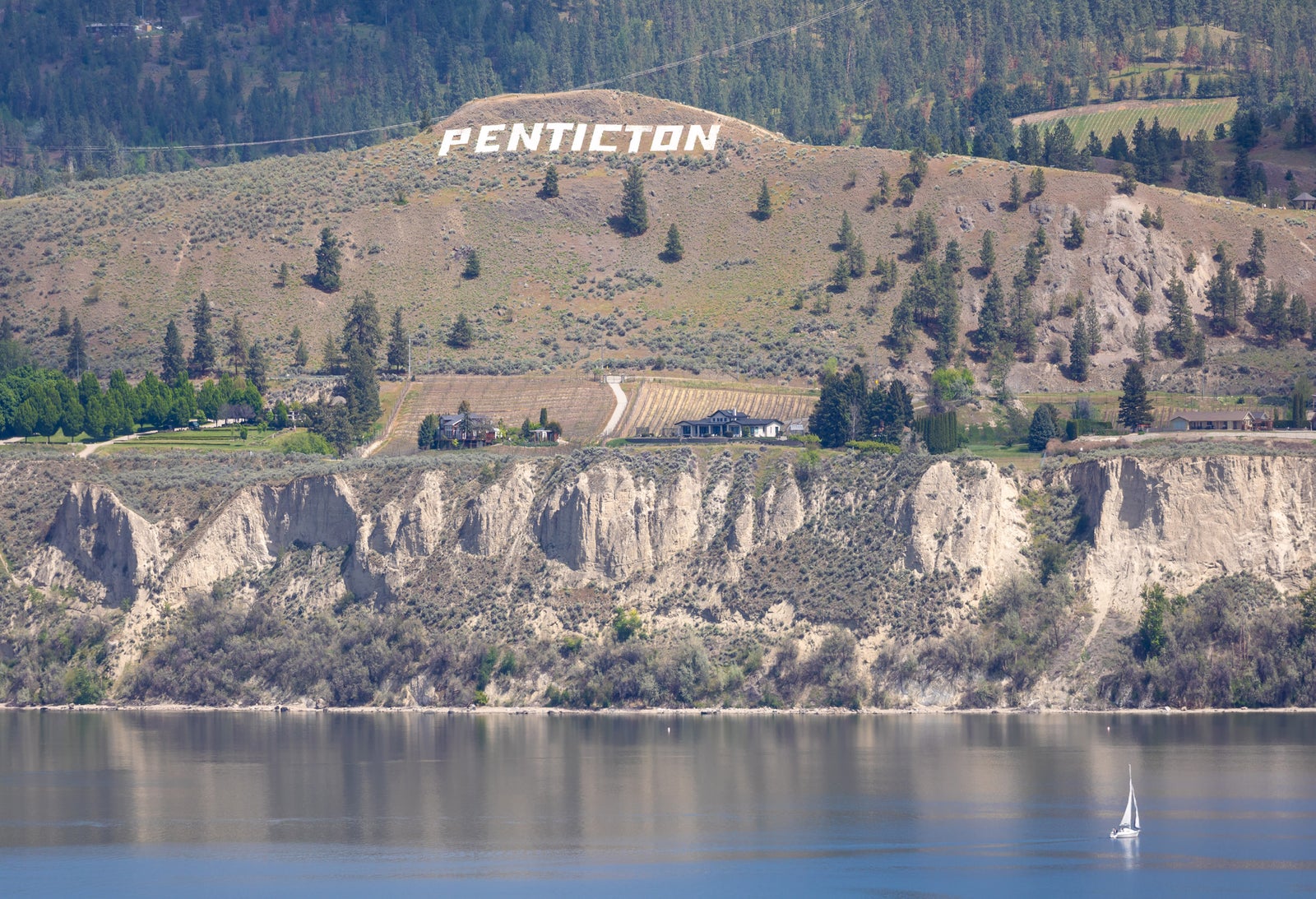
 Penticton sits between two lakes. That's not just a fun fact — it's basically the whole story. And according to the city's Official Community Plan (OCP), it's going to stay that way on purpose.
The OCP is Penticton's long-term roadmap. Think of it like a blueprint for how the city wants to grow, what it wants to protect, and where it wants to put energy over the next 20-plus years. It's not a guarantee. Plans change. But it gives you a real sense of where things are heading — which matters a lot if you live here, are thinking about buying, or are wondering whether Penticton is the right fit.
What Is the Official Community Plan?
It's a document that the City of Penticton uses to guide decisions about land use, housing, transportation, parks, and more. Every major city in BC has one. Penticton's was adopted in 2019 and updated as recently as 2026. The vision is simple: "A connected, vibrant, prosperous and healthy small city in a uniquely beautiful lakefront setting."
That phrase is doing a lot of work, but it's actually a fair description of what Penticton already is. The OCP is essentially the city's commitment to keeping it that way while also making room for growth.
Penticton Is Planning for Growth — But Carefully
Penticton's population was around 36,000 in 2021. The city expects to need about 6,296 new housing units by 2041 — roughly 300 new homes per year on average.
Here's what's interesting: the city isn't planning to sprawl outward in a big way. Because Penticton is literally wedged between Okanagan Lake to the north and Skaha Lake to the south, there's not a lot of room to spread out. So the plan focuses on building up in smarter ways — adding homes in areas that already have roads, water, schools, and transit, rather than pushing new development into the hillsides.
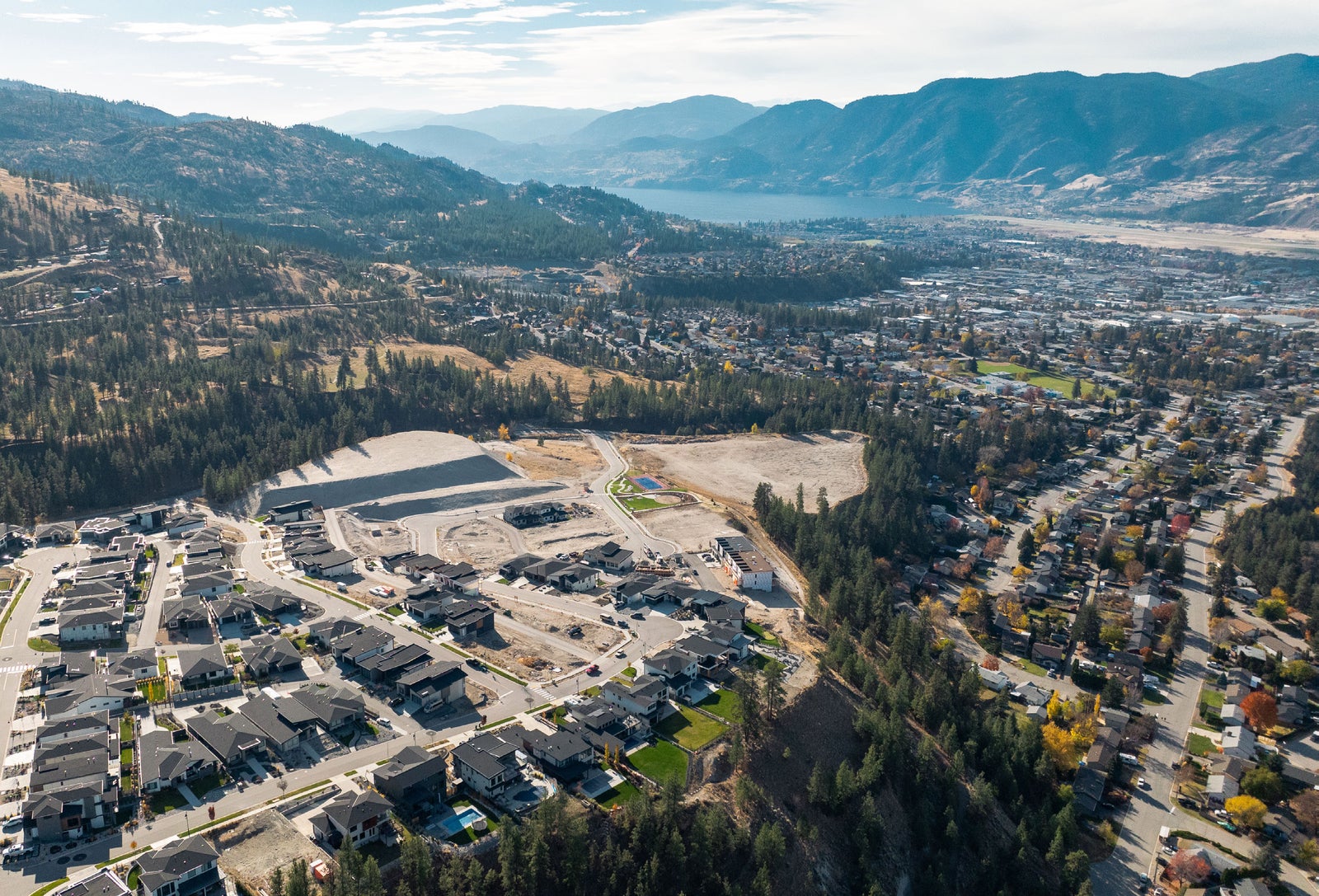
What does that look like in practice? More townhouses, duplexes, carriage houses, and low-rise apartments in established neighbourhoods. Especially near the Downtown, the hospital, the college, and along main transit routes. The plan specifically calls for more infill development and gentle densification — so the goal is more homes without completely changing the feel of existing streets.
More Focus on Neighbourhoods, Not Just Houses
The OCP uses the phrase "complete neighbourhoods" a lot. What that means is the city wants people to be able to live, work, shop, and play without having to drive everywhere.
That includes things like more walkable areas near the Downtown and Skaha Lake Road, small grocery options and services within neighbourhoods, child care facilities built into new developments, and pocket parks and community gathering spaces added as density increases.
The Farmers Market has been running every year since 1991. There are 80 vendors. The city wants to keep that going — and even explore a year-round market facility. There's also a push to support what the OCP calls a "BC Wine Centre of Excellence" in Penticton. There are already 44 wineries in the city (there were 12 in 2005). That growth is intentional and protected.
Parks, Trails, Lake Access, and Outdoor Living
This is where Penticton really shines on paper — and in real life.
Right now, Penticton has 67 park and open space sites, 25 km of trails and walkways, 6 public beaches, 16 sport fields, and 7 playgrounds.
The OCP sets a target of 2.5 hectares of active park land for every 1,000 residents. As the city grows, it's committed to keeping that standard — which means adding park land and trails alongside new development, not after.
The plan specifically calls for a connected network of trails linking both lakes, schools, parks, and recreation facilities. It also mentions the River Channel Parkway as part of a regional trail connection. For people who move here partly to be outdoors — which is most people — this is good news.
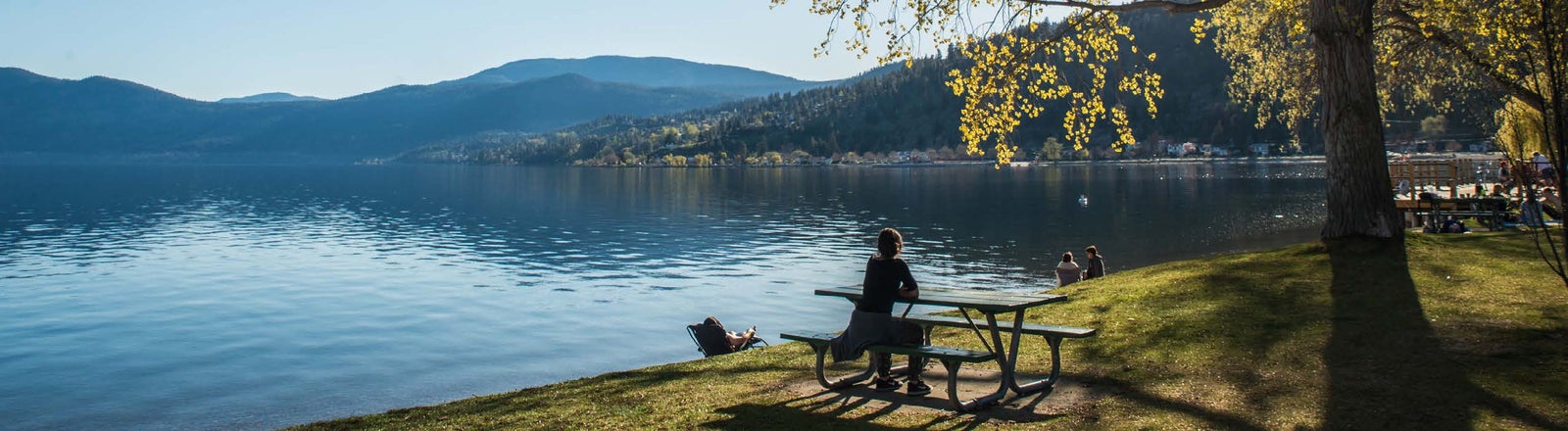
Beach access is protected too. The OCP has a policy to protect beaches and provide for a variety of appropriate, safe and sensitive water and beach-oriented outdoor recreation opportunities. In plain English: they're not planning to build over the beaches.
Roads, Traffic, and Getting Around
Right now, 83% of Penticton residents drive to work. That's the honest number, and the OCP doesn't pretend otherwise. But the plan puts a clear priority on building out alternatives — walking, cycling, and transit — so people have real options over time.
The city committed to updating its Transportation Master Plan to reflect these goals. In practice, that means better sidewalks, more bike infrastructure, and bus routes that actually make sense. It also means new developments are required to be within reach of transit, and parking minimums are being reduced in walkable areas to cut construction costs and encourage other modes of travel.
The compact footprint of Penticton actually works in its favour here. The average commute by car is 15.8 minutes. Walking averages 14.7 minutes. That gap is small enough that better infrastructure could shift habits.
Housing Options and What This Could Mean for Buyers
If you're thinking about buying in Penticton, the OCP gives you some useful context.
The city wants to see more housing variety — micro-suites, one-bedroom units, two- and three-bedroom townhouses, carriage houses, secondary suites, and low-rise condos. Units designed for seniors, younger buyers, and families. Not just big detached homes.
Areas near the Downtown, Northern Gateway, and Skaha Lake Road are specifically identified as strategic growth zones — meaning they're likely to see more investment and development activity. The Agricultural Land Reserve (18% of Penticton's land is in the ALR) is protected. About 22% of the city's land base is Natural and Conservation Area — also not going anywhere. New hillside development (like the Upper Wiltse and Columbia Heights areas) is still on the books, but with stricter environmental requirements.
That mix of protected land plus targeted growth means certain pockets of the city will likely see more change than others.
What This Means If You Already Own in Penticton
If you own a home here, the OCP is generally good news for long-term values. The city isn't planning to flood the market with supply — 300 homes per year is a measured pace for a growing community. At the same time, infrastructure investments in walkability, transit, and parks tend to lift values in the neighbourhoods they touch.
Sellers who are close to the Downtown, near a beach, or in an area flagged for investment will likely benefit more than those on the edges of the city.
My Local Take
I've worked with a lot of buyers who are drawn to Penticton specifically because it doesn't feel like a big city. It's got two lakes, wineries, trails, a real downtown, and a Farmers Market that's been running for over 30 years. People are afraid that growth will change all of that.
What I'm seeing is that the city is genuinely trying to grow without losing the feel that makes it worth moving to in the first place. The OCP puts most new development inside the existing footprint — not spreading out into the hills. It protects beach access and farm land. It wants more housing options at lower price points, including for seniors and first-time buyers.
None of this is a promise. Plans change, councils change, and every property still needs to be evaluated on its own terms. But the direction is sensible, and that matters.
Frequently Asked Questions
Is Penticton growing quickly? Moderately. The OCP projects a growth rate of about 0.74% per year to 2041 — steady, but not explosive. The city is planning for about 300 net new homes per year to keep up.
Will Penticton's lakes and beaches stay accessible? The OCP specifically protects beach access and calls for ongoing investment in parks and waterfront recreation. The beaches aren't going private.
Is now a good time to buy in Penticton? That depends on your goals, your timeline, and the specific property. The OCP doesn't answer that question — a local agent who knows current pricing and inventory does.
What areas of Penticton are most likely to see development? The OCP identifies the Downtown, Northern Gateway, and Skaha Lake Road as strategic investment areas. These are where the city is focusing growth and infrastructure spending.
Are Penticton's agricultural lands and wineries protected? Yes. The OCP is clear that the Agricultural Land Reserve (843 hectares within city limits) is not intended for urban development. The winery culture here isn't going away — it's actively being supported and grown.
Disclaimer: City plans can and do change over time. Policies, zoning designations, and development priorities may be amended. Always verify current zoning, development applications, and property details directly with the City of Penticton or your REALTOR before making any real estate decisions.
Thinking About Making a Move?
If you're relocating to the Okanagan and trying to figure out which area fits — before you book flights or showings — I'm happy to walk through it with you. And if you're selling and want an honest read on where your home sits in today's market, not last year's, I can give you that.